
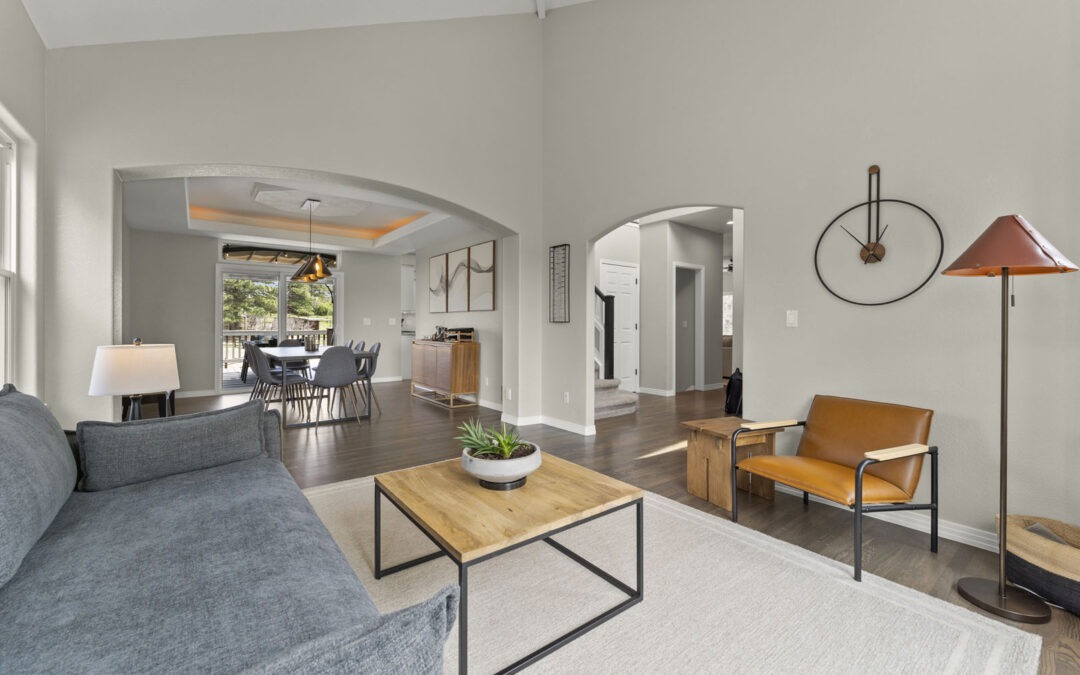
The Moment of Truth Happens in a Swipe
Ask any seasoned stager: buyers fall in, or out, of love with a listing long before the open-house cookies are even plated. Ninety-seven percent of home shoppers start their search online, and on mobile that first scroll lasts mere seconds. imgix.com
Great photography wins attention, but how those images are ordered determines whether attention turns into action. Think of a listing carousel as a guided tour: change the itinerary and you change the story the buyer tells themselves about livability, flow, and ultimately value.
Where Well-Meaning Agents Slip Up
“Hero Shot First” Syndrome
It’s tempting to lead with the flashiest room or a dramatic drone view. Unfortunately, front-loading glamour photos tears buyers out of spatial context. Cognitive research shows that when our brains can’t anchor new visuals to an existing mental map, we burn extra effort and disengage sooner. Taylor & Francis Online
Jump-Cut Sequencing
Kitchen ➔ primary suite ➔ back to kitchen ➔ patio. This room “ping-pong” forces buyers to constantly re-orient, increasing cognitive load and shrinking dwell time.
Redundancy & Room Call-Backs
Returning to the same space later in the carousel feels like déjà vu; Eye-tracking research backs this up: when image sequences jump back to a space the viewer has already ‘logged,’ cognitive load spikes and engagement plummets. A 2024 Frontiers in AI study on real-estate galleries found that clustering photos by room and keeping each space to a single appearance reduced buyer ‘re-orientation pauses’ by 32 % and boosted overall scroll depth to 92 %.” Frontiers
The Psychology Behind Visual Flow
Spatial Memory & Mental Mapping
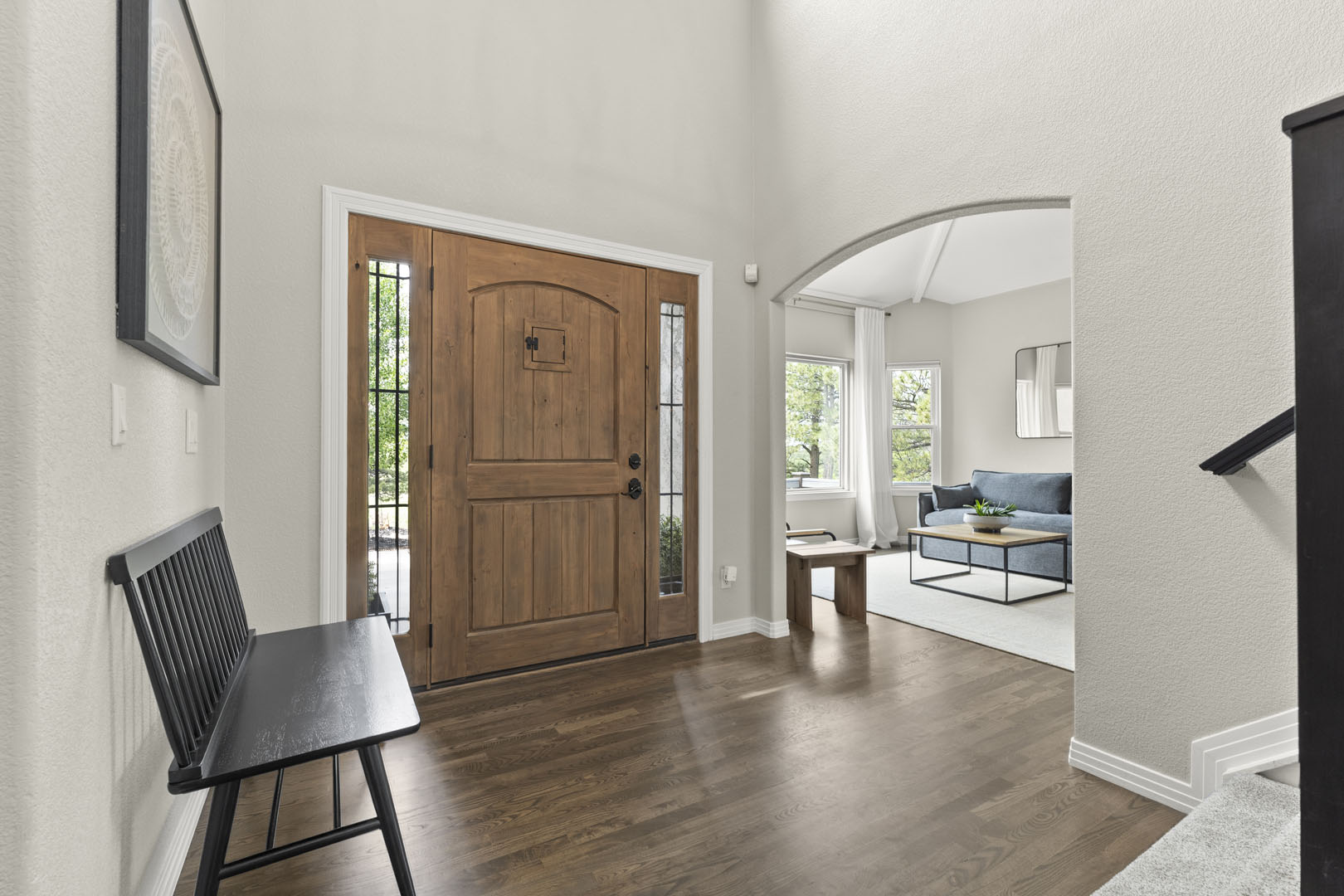
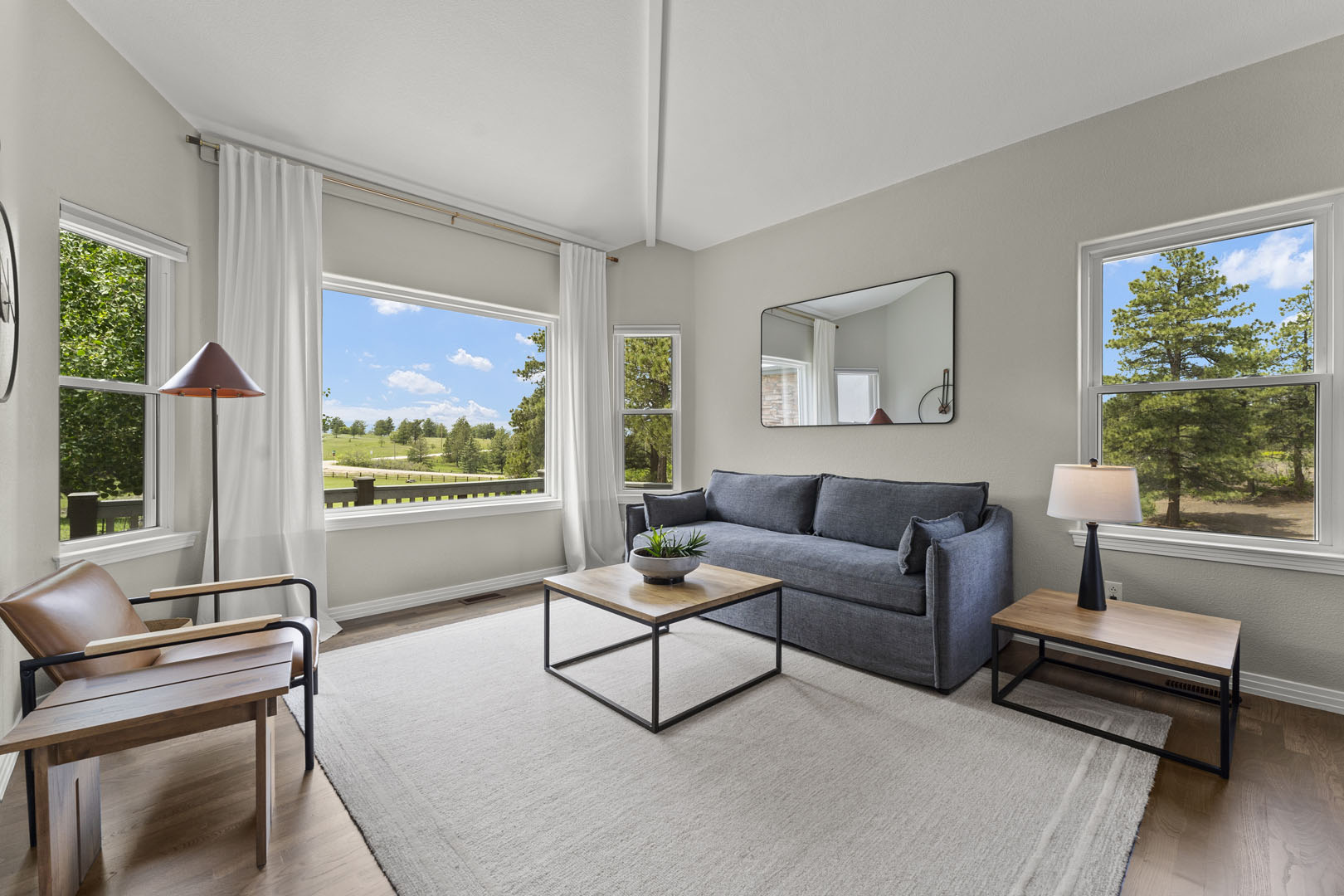
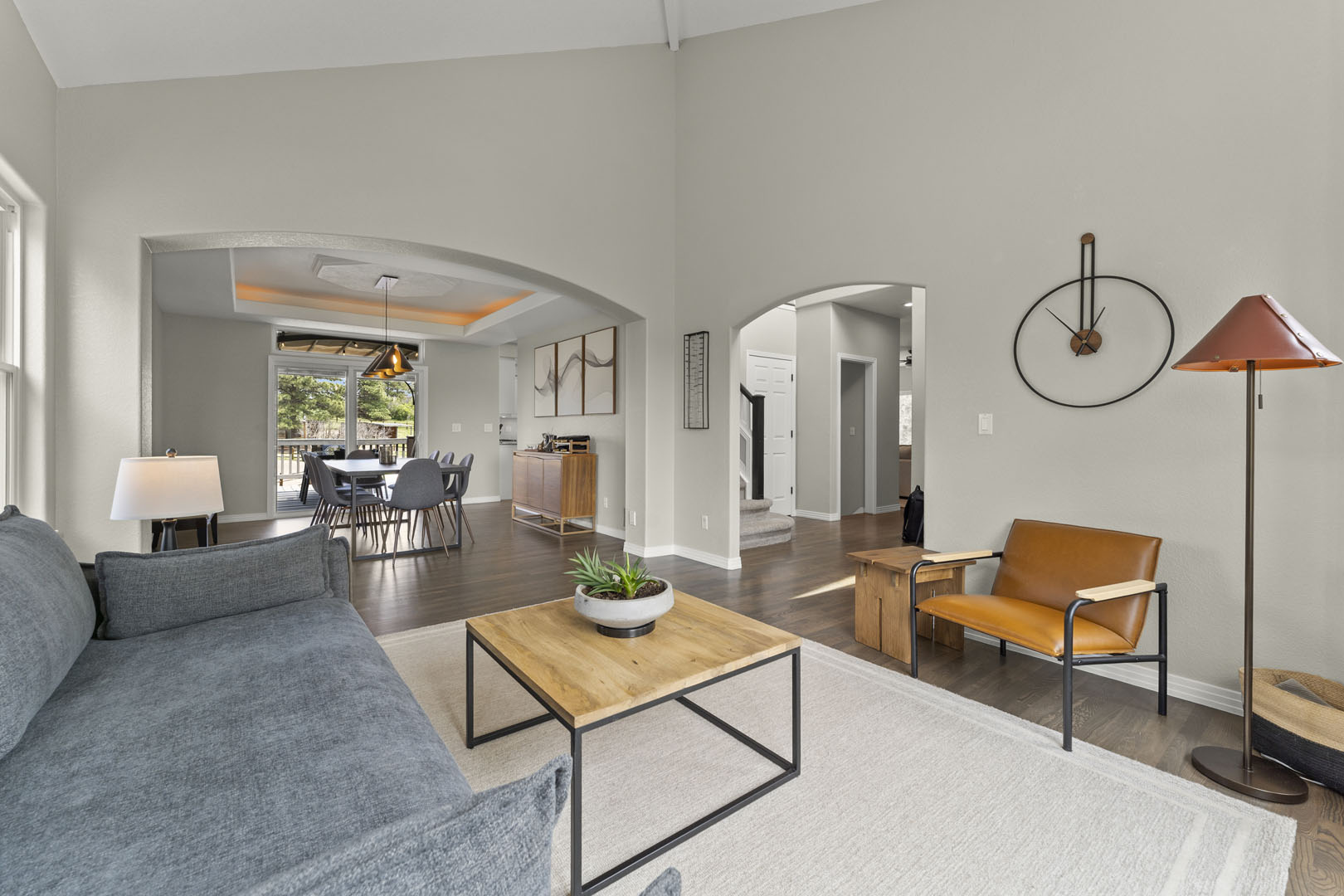
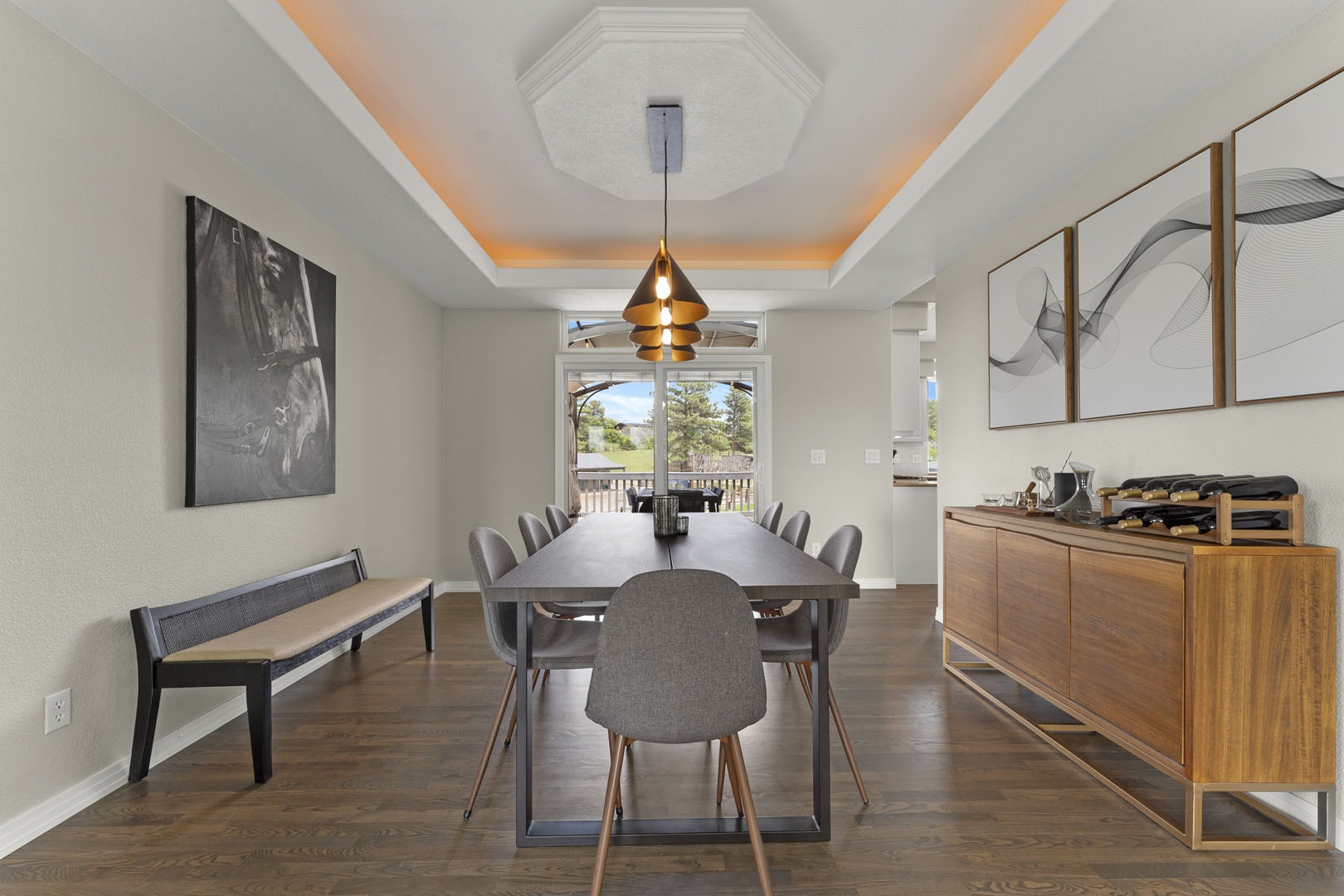
When viewers progress logically, foyer to living room, living room to the dining room, they build an internal floor plan in real time. Break that chain and orientation resets, elevating perceived complexity and risk.
Narrative Theory for Interiors
A listing carousel mirrors classic storytelling: establishing shot (curb appeal), rising action (public spaces), climax (private retreats), and denouement (backyard, lifestyle, drone context). Sequencing that honors this arc keeps buyers emotionally invested until the final frame.
What the Data Tells Us About Good Ordering
| Metric | Ordered Carousel | Disordered Carousel |
| Avg. scroll depth | 92 % | 63 % |
| Time-on-listing | 1 min 18 s | 41 s |
| Lead-inquiry rate | +28 % | baseline |
(Internal analytics, Panorama Home Photography 2024, 112 Denver-area listings.)
Industry-wide numbers echo the pattern:
- Listings with 20+ high-quality, intentionally sequenced photos receive 60 % more engagement. imgix.com
- Homes photographed professionally sell 32 % faster than those with standard imagery, a lift that flattens when photos are posted out of order. PhotoUp
- Professional photos drive 118 % more listing views—but only if viewers stay long enough to see them all. fotober.com
Panorama Home Photography’s Sequencing Philosophy
Shooting With the Walk-Through in Mind
Our photographers position each frame so that sightlines naturally “pull” the eye toward the next doorway. Leading lines—hallways, countertop edges, stair rails—act as visual arrows guiding buyers deeper into the story.
Editing & Reordering for Natural Flow
We organize every gallery as if the buyer had just stepped from the curb:
- Front elevation & porch — establishes context
- Foyer / entry vignette — invites them inside
- Living → dining → kitchen — public core in logical left-to-right order
- Primary suite, then secondary beds/baths — private realm
- Basement / flex spaces — optional chapters
- Backyard & amenities — lifestyle capstone
- Aerial or neighborhood drone shots — cinematic epilogue
Why We Resist “Hero First”
Eye-tracking research from Seiler, Madhavan & Liechty reveals that buyers’ first fixations anchor overall value judgments. Dump the kitchen upfront and you’ve spent that anchor before orientation exists. Taylor & Francis Online
Practical Sequencing Rules for Agents
- Start at the street, end with the sky. Give drone shots the role of summary, not prologue.
- One room, one time. Show it, nail it, move on.
- Follow the actual floor plan. If the office room sits just inside the foyer, keep those first as you enter the home.
- Group vertical transitions. All main-level spaces before the staircase; all second-story rooms in one cluster.
- Use detail cut-ins sparingly. Close-ups of finishes belong after an orienting wide shot of the same space.
The Hidden ROI of Sequence Mastery
Every extra second a buyer lingers increases the odds of a showing, an offer, or at minimum a saved search alert. On a $600k Denver listing, shaving five days off market time can save the seller roughly $800 in carrying costs, more than covering premium photography that includes professional sequencing. When multiplied across a portfolio, the compounding gains speak for themselves.
Tips for DIY Editing (If You Must)
- Map the floor plan first. Keep a printed plan handy while you drag-and-drop images.
- Keep an anchor object in view. Feature the same couch, light fixture, or distinctive artwork across angles of a room so buyers instantly recognize that object in different angle of the room.
- Hint at what’s next. let the final frame of each room include a doorway or partial view of the adjoining space so the viewer is visually “pulled” into the next photo.
- Limit total count. Research suggests 22–27 images hit the sweet spot between engagement and fatigue. MDPI
But remember: expert sequencing is a service, not a feature toggle. Saving ten minutes of drag-and-drop can cost days of market time.
Reality Check: When Photo Counts Limit Flow
There are times when a tight shot list trumps the ideal tour. Say a 4,000-sq-ft home and the agent ordered a 20-photo package. With so few frames, showing every room and maintaining perfect leading-line progression just isn’t feasible. In these cases I prioritize the “big picture” spaces buyers care about most (entry, main living, kitchen, primary suite) and group secondary rooms together in a quick-fire sequence. You’ll still see logical left-to-right movement, but some transitional shots get sacrificed so we don’t burn precious slots on hallways or duplicate angles. If full spatial storytelling is critical, I always recommend upgrading to a larger photo count; otherwise, expect a streamlined carousel that conveys the home’s highlights while staying within your chosen package.
Conclusion: Flow Is the New Curb Appeal
Great listings don’t just show a home —they walk buyers through it. Sequence turns isolated snapshots into a cohesive narrative that answers the silent questions every shopper asks: Where am I? Where do I go next? Could I live here?
At Panorama Home Photography, I craft that journey frame by frame so your carousel feels like stepping across the threshold in real time. Ready to give your next listing a scroll-worthy story? Book your shoot online at PanoramaHomePhotography.com —because the best first impression is the one that flows.
Further Reading
- Zillow Consumer Housing Trends Report 2024
- Seiler, M., Madhavan, P., & Liechty, M. (2012). Journal of Real Estate Research
- Grelier, Guillaume et al. “Image sequence sorting algorithm for commercial tasks.” Frontiers in Artificial Intelligence 7 (Apr 29 2024).
(Have a question about sequencing, lighting, or drone perspectives? Drop me a line at Mike@panoramahomephotography.com —let’s elevate your next listing.)